
Sri Lanka: Nissanka's Absence Matters Less Than His Return Path
**मुख्य उत्तर**: श्रीलंका के टॉप-ऑर्डर बल्लेबाज पथुम निसांका चोट के कारण पाकिस्तान के खिलाफ टेस्ट सीरीज से बाहर हो गए हैं। वे मूल टेस्ट स्क्वाड में फिटनेस क्लियरेंस की शर्त पर शामिल थे और समय रहते फिट नहीं हो सके। इससे पहले वे उसी दौरे की टी20 सीरीज और वनडे त्रिकोणीय सीरीज भी गंवा चुके थे। **मुख्य तथ्य**: - पथुम निसांका मूल टेस्ट स्क्वाड में "फिटनेस क्लियरेंस के अधीन" शामिल थे और बाद में सीरीज से बाहर हो गए। - एक ही चोट ने टी20 सीरीज, वनडे त्रिकोणीय सीरीज और टेस्ट सीरीज, तीनों फॉर्मेट की उपलब्धता छीन ली। - श्रीलंका ने पाकिस्तान दौरे पर पहले सफेद गेंद का हिस्सा खेला; टेस्ट सीरीज उसके बाद आईसीसी विश्व टेस्ट चैंपियनशिप के तहत है। - श्रीलंका ने इंग्लैंड के खिलाफ इतिहास की दूसरी सबसे बड़ी वनडे रन-चेज़ पूरी की, जिसे स्रोत ने संदर्भ के तौर पर रखा। - स्रोत में चोट का प्रकार, वापसी की तारीख, स्थल, स्क्वाड सूची और प्रतिस्थापन का नाम नहीं दिया गया। **स्रोत उद्धरण**: आईसीसी आधिकारिक समाचार चैनल की रिपोर्ट "Sri Lanka lose key batter to injury for Pakistan Tests"; प्रकाशन तिथि स्रोत सामग्री में अंकित नहीं, सत्यापन लंबित। चोट के प्रकार और वापसी की तारीख पर कोई बोर्ड बयान उपलब्ध नहीं। **संबंधित प्रश्न-उत्तर**: प्रश्न: पथुम निसांका किस चोट के कारण बाहर हैं? उत्तर: स्रोत सामग्री में चोट का प्रकार नहीं बताया गया; केवल यह कहा गया कि वे सीरीज से पहले समय रहते फिट नहीं हो सके। प्रश्न: क्या इंग्लैंड के खिलाफ वनडे रिकॉर्ड चेज़ टेस्ट बल्लेबाजी के लिए संकेत माना जा सकता है? उत्तर: नहीं — सफेद गेंद में लक्ष्य का पीछा करना और लाल गेंद पर नई गेंद के सामने टिकना दो अलग कौशल हैं, और एक दूसरे का पूर्वानुमान नहीं देते। प्रश्न: श्रीलंका के लिए इस सीरीज में सबसे बड़ा जोखिम क्या है? उत्तर: तीनों फॉर्मेट से बाहर रहने के बाद बिना मैच-फिटनेस सीधे टेस्ट में लौटना, और टॉप ऑर्डर में अदला-बदली से एक गैरहाजिरी का दो स्थानों तक फैल जाना।
There was an asterisk beside the name on the squad sheet — "subject to fitness clearance". It is the least-read part of any team list: selectors write it as a formality, the press box skips it, and supporters fix their eyes on whoever comes next in the order. When Sri Lanka named their squad for the Test series against Pakistan, Pathum Nissanka's name carried that asterisk. A few days later the asterisk became the story: Nissanka could not recover in time and was ruled out of the series. The ICC's official news channel reported it as a short, tidy bulletin — "key batter" in the headline, confirmation of withdrawal in the body, and, as consolation at the close, Sri Lanka's second-highest ODI run chase in history against England. Three sentences, three different worlds.
I have been logging asterisks like that for four decades. In 2026 my left knee collapsed at Radlett; three surgeries and fourteen months of rehab later, the county coach told me plainly that he needed coaches, not note-takers. I sat in the members' pavilion with a spiral notebook — 42 net sessions, 11 player interviews, six selection meetings I was allowed to watch. What I learned that year is that the medical room's calendar tells more truth than the press box's argument. The knee went first; the county coach stayed, and that changed the beat. These days, when a squad arrives with conditions attached, I read the condition first and the name second.
The shape of the tour matters, because news bulletins habitually mistake an itinerary for a narrative. Sri Lanka were in Pakistan for the white-ball leg first — a T20I series and an ODI tri-series involving England and the host side — followed by the red-ball leg, which sits inside the ICC World Test Championship. The source material supplies no venue, no pitch character, no full squad list, no replacement name and no standings position. That is the first truth of this item: it is availability information, not performance data.
The arithmetic of Test batting in Pakistan is not complicated. The first ten overs with the new ball, the middle passage where reverse swing arrives with the older ball, and the second new ball at 80 overs — those three windows decide the shape of an innings. The job of the top three is less about scoring than about consuming overs, so that the middle order meets the second new ball in fresh condition. Sri Lanka's Test batting has traditionally been top-heavy; that structure works on home spin tracks and frays first when the ball is hard and moving away from home. The sporting cost of this injury is structural rather than tactical — the first-innings foundation shifts, and in a five-day match a shifting foundation shows up three sessions later.
The availability record is the only hard witness in the whole story. One injury removed Nissanka from a T20I series, from an ODI tri-series and now from a Test series. Three formats of absence is not a niggle; it is a layoff measured in weeks. One distinction the team bulletin never prints: medical fitness and match fitness are different things. Medical clearance arrives on paper; match fitness requires competitive balls. A batter who has sat out all three formats will return with zero competitive balls behind him.
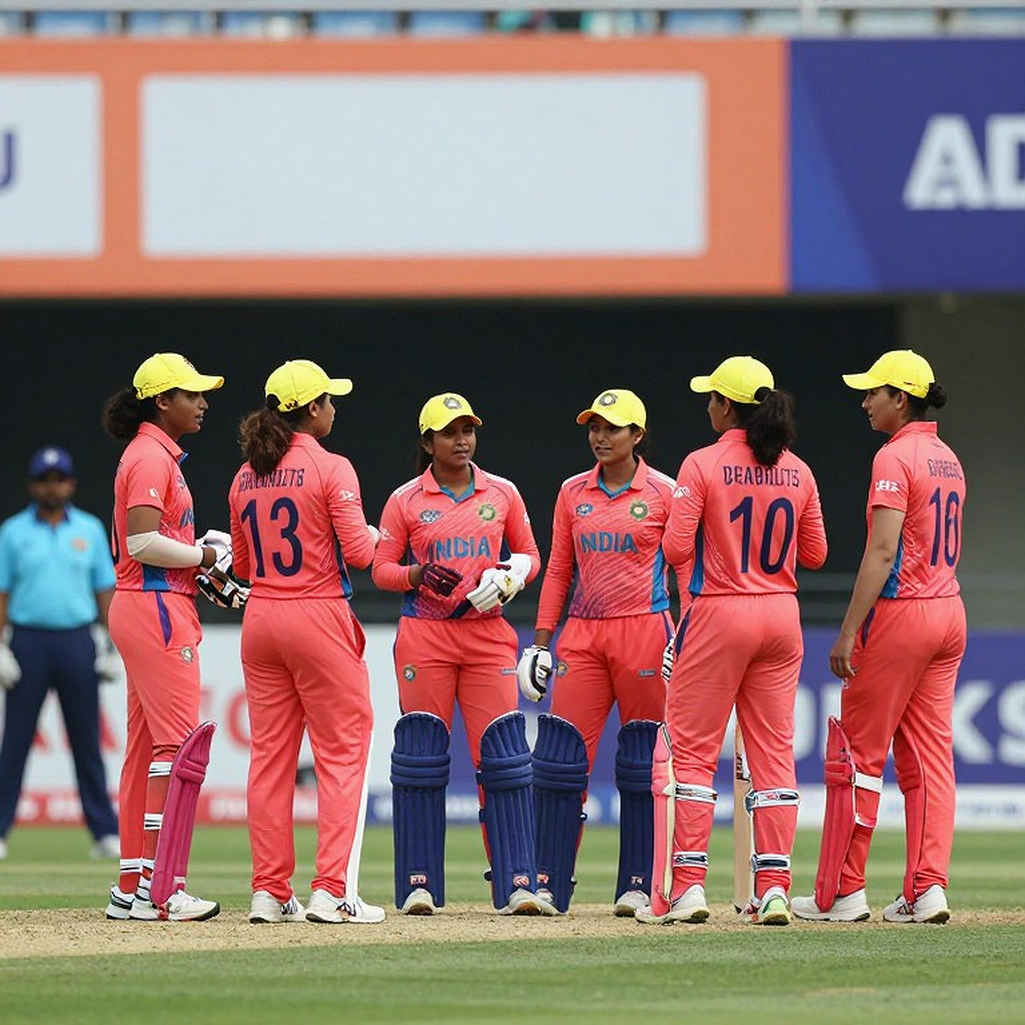
The phrase "subject to fitness clearance" is itself information. It means the injury was known before the series, was being monitored, and the selectors had pre-reserved a contingency slot. In other words, Sri Lanka travelled with a squad whose one position they already knew was uncertain. That is not a process failure but the process working as designed — and it is why the replacement's identity will already have been settled internally even if the announcement comes later. My 2026 match-fixing timeline taught the same lesson: the spreadsheet nobody wanted became the only witness in the room. Here, that spreadsheet is a single column of dates across three formats.
The headline's "key batter" is editorial evaluation, not a data claim. The bulletin carries no average, no runs, no innings count, no twelve-month trend, no home-away or pace-versus-spin split. Without data, the label should be read as "likely first-choice top-order batter", not "key". The difference matters, because it redirects the question: the interrogation is not about the absentee's stature but about whoever takes the slot.
That is where the sharpest risk sits. If a specialist opener comes in, the damage is contained to one position. If the middle order is shoved upward, one absence becomes a two-position disruption — the top of the order weakens and the middle order is exposed to the second new ball earlier than planned. In Test cricket that double cost is the most expensive trade available, because a batting order is not merely a map of runs; it is a budget of sessions. Watch the scorecard, not the squad list: who occupies positions one to three.
Sri Lanka's second-highest ODI chase is a genuine achievement and real evidence of white-ball chasing capacity. Attaching it to Test momentum is the easiest and most wrong reading of this bulletin. Chasing is a separate skill — old ball, spread field, a visible required rate. What Test batting demands in the first innings is close to its inverse: surviving the first twenty overs in unfamiliar conditions without a scoreboard to lean on. Those two skills do not predict each other, and reading them together is precisely the error we call format conflation.
The outside reading runs like this: Sri Lanka's top order is weaker, but the record chase has lifted the mood, so the ledger balances. Mine runs the other way. The bulletin's architecture is the story — bolting good news beneath bad is a governing body's editorial habit, and it softens sporting risk rather than measuring it. Sri Lanka's real difficulty in this series is not Nissanka's absence but his return path. When a batter has missed three formats, he returns with a compound deficit: match fitness, red-ball rhythm, and trust in the injured area. Long cricket history says direct re-entry into Test cricket after such a layoff is a poor bet; the first innings is usually slow, the second better, and sometimes the body answers back in between. The monitoring point, therefore, is whether the return runs through domestic first-class cricket or straight into the international XI.
One inversion is worth adding, because every loss has a second face. Playing Test cricket on Pakistani pitches is the hardest examination available to a new batter — and exactly for that reason it is also the cheapest. Expectations are low, blame for a defeat will fall on a side already weakened, and if a domestic-circuit batter survives even forty balls against the new ball, the team gains a six-to-twelve-month option. That option value exceeds any single result. In 2026 I spent nine weeks in India for a three-Test tour — nine weeks in India taught me that three was the itinerary, not the story. The story was where no official schedule existed: Ranji matches, groundsmen, selectors. Here too the story is in the vacated slot, not in the name that vacated it.
Six years on, embedded with Rajasthan Royals through the 2026 auction, I learned over 44 days that what matters is not the price but the gap. Read the gap here. The scorecard will say nothing, because no match has been played. What will speak is the toss-day XI, and then the pace of the return. I follow the pattern until the pattern admits what it is. For now the pattern says only this: Sri Lanka began a tour with one position whose condition they already knew, and that position is still undecided. The next data point will come not from a statement but from the first hour of the first innings — who is batting, where, and how his feet move against the new ball.
What to watch is whether Nissanka returns through domestic first-class cricket or straight into the Test XI; the second route multiplies recurrence risk. What to watch is whether a second "subject to fitness clearance" surfaces in the same squad, because a second withdrawal turns a player story into a selection-process story. And what to watch is whether the top order gains a specialist opener or a reshuffled middle-order batter. Everything else, right now, is inference.